

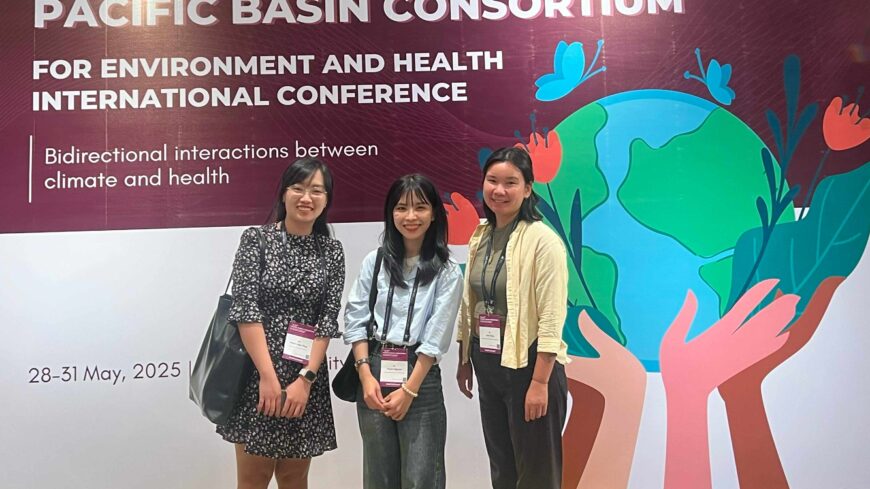
"Attending NAFSA 2025 as a doctoral student, I observed the need for an integrative approach to international education that explicitly connects research and practitioner perspectives."
"I learned that cross-sector and cross-national collaboration is imperative in addressing the growing challenges of climate change and environmental health. Hearing from medical professionals, government representatives, and academics showed how urgent and interconnected these issues have become."
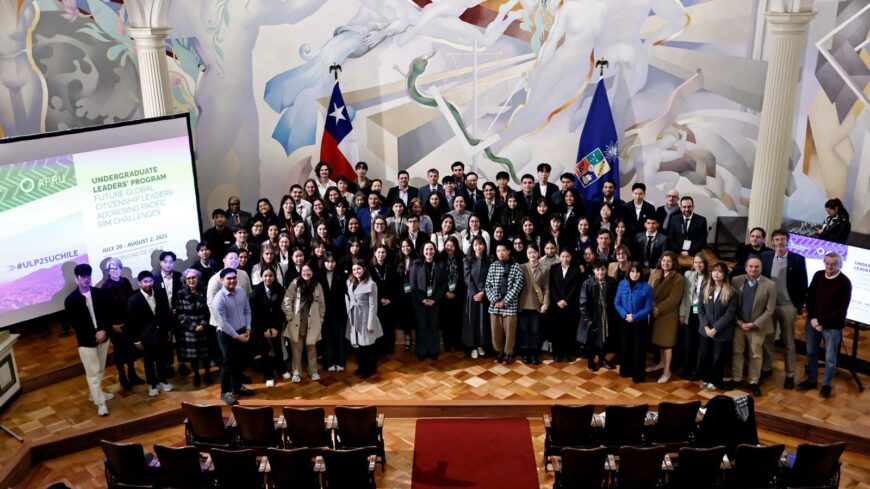
"The ULP APRU Conference was not only academically stimulating but also personally empowering, reaffirming my commitment to pursuing a career at the intersection of international relations, human rights, and policy innovation."
“ Through this event, I was able to gain valuable research presentation skills, as I was selected to give a 5 minute “lightning talk” presentation on the work I did during my summer internship in Grenada. I learned how to synthesize my research methods and results concisely, and for a general audience with varied amounts of knowledge on my work. I also was able to make valuable connections with Caribbean public health agencies that span across many Caribbean countries. This conference has certainly furthered my desire to work in the Caribbean public health space, and use my newly formed relationships to do community-led work.”
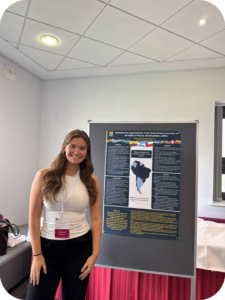
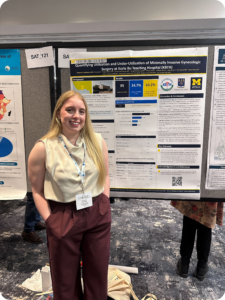 “Presenting my MIGS utilization poster was a highlight. I had great conversations with people working on surgical equity globally, got new perspectives on how to frame access gaps, and made connections I genuinely want to follow up on. Going forward, I want to explore how global health equity research stays sustainable under shrinking funding, and how surgical simulation programs like the one I studied can scale in similar settings. I left feeling reconnected to why I’m in this field and more intentional about not just what I research, but how I share it.”
 “My experience at this conference was truly transformative. I learned about innovative studies and groundbreaking work in maternal and reproductive health globally, particularly smart technology and AI. As someone deeply committed to improving maternal and reproductive health outcomes, this gathering provided crucial insights into innovative research methodologies, collaborative approaches, and impactful inventions and interventions that address individual needs while contributing to global health targets. The conference reinforced my understanding that effective research must involve multi-level stakeholders: women, families, communities, healthcare providers, and researchers, to create meaningful change in maternal and reproductive health.”
 “I spoke to people from every continent and attended talks held by a wide spectrum of experts—from the WHO to local OBGYNs and government officials. Through all of these interactions, the common, powerful thread of wanting to support women in their mental and physical health was the chief motivating factor; our different experiences and communication styles added to this learning. I was also able to make valuable connections with businesses interested in investing, students who want to help, and medical professionals eager to see our technology implemented in their communities. I am excited to bring everything I learned back to the table in team meetings, supporting Team PACT in our future travels, ideation sessions, and strategic planning.”
 “I was able to learn from leading scholars and professionals about the future of disability rights on the theme The UNCRPD Twenty Years on: New Horizons and Emerging Challenges. Hearing about the initial drafting of the United Nations Convention on the Rights of Persons with Disabilities (UNCRPD), discussions on where disability law is headed, and the intersection of disability rights with issues such as Indigenous rights and children’s rights deepened my understanding of the many ways disability rights intersect with other human rights movements.”
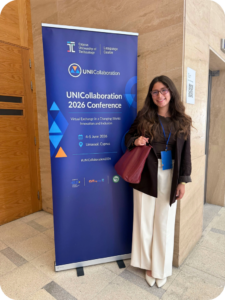 “Participating in this international conference provided valuable professional and personal growth. One of the most meaningful aspects was the opportunity to connect with professors, researchers, instructors, and students from around the world. Hearing firsthand about the strengths, challenges, and teaching approaches used in different regions broadened my perspective on global education and reinforced the importance of adapting educational practices to diverse cultural contexts. Presenting my research was one of the most rewarding parts of the conference. It gave me the opportunity to share an experience I was passionate about with an international audience and truly strengthened my confidence as a presenter. Overall, the conference pushed me out of my comfort zone and inspired me to continue pursuing opportunities that combine education, research, and international engagement.”
 “Attending COP30 was also critical for me to understand aspects of climate policy communication. Going forward, I would like to work on research that directly plugs into international climate and health policy. I come from a public health background, and so understanding the levers and appropriate communication in a climate policy space was important to inform how I want to communicate my public health research. I was able to connect with climate and health researchers all over the world, and exchange ideas. Overall, this experience was an absolutely incredible form of professional development.”
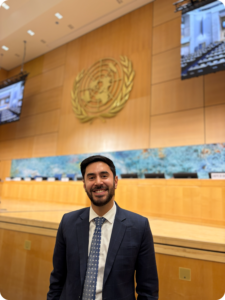 “The week sharpened my understanding of how small states build influence. Fiji’s diplomatic weight comes from coalition building: aligning with other Small Island Developing States and like-minded partners, particularly on the intersection of human rights and climate change. Watching resolutions take shape made me more sympathetic to what they are — a compromise. Their language is deliberately unclear at times, and progress is often incremental. But incrementalism is the price of agreement.”
