Kara Palmer
School of Kinesiology
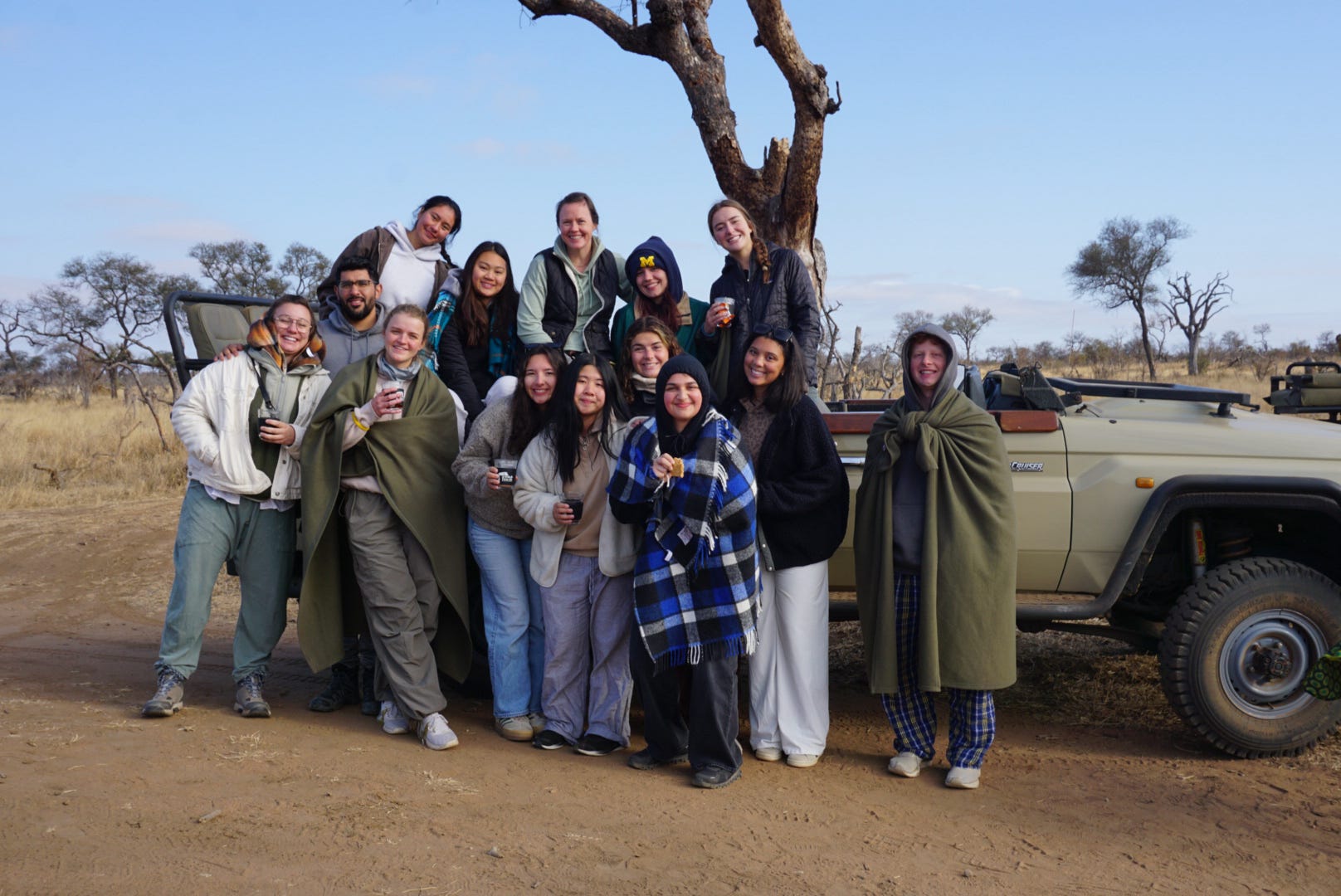
The International and Developmental Perspectives of Child Health and Movement program offered a faculty-led, three-week study abroad experience in Johannesburg, South Africa, designed to immerse students in the global contexts of pediatric health and motor development. Throughout the program, students engaged in a combination of classroom instruction, community-based learning, and cultural experiences that encouraged both professional and personal growth. The curriculum emphasized the integration of theory and practice, challenging students to design and evaluate evidence-based movement programs, assess child health outcomes, and reflect critically on their own identity and cultural competency.
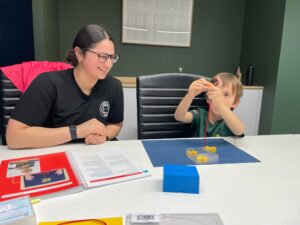 In-country experiences combined classroom lectures on advanced topics such as global perspectives on child development, motor assessment, and program evaluation, with hands-on community engagement at local educational centers. Students also participated in cultural excursions throughout South Africa, enhancing their appreciation of the complex social, cultural, and geographic factors that influence child health and development.
Upon returning, students completed reflective assignments, including essays and a follow-up intercultural assessment, to evaluate the evolution of their perspectives and personal goals. The program fostered meaningful professional connections, practical pediatric skills, and advanced cultural self-awareness. Students left with a strengthened ability to assess child development through a global lens, design culturally responsive programs, and engage humbly and effectively in international community settings.
Learning Objectives
Motor Development Analysis – Students compared models of motor development to understand their implications across diverse cultural contexts.
Theoretical Application – Students applied theories such as Dynamic Systems Theory to guide practical interventions in child health and movement.
Program Design & Assessment – Students designed and evaluated evidence-based movement programs tailored to developmental and cultural needs.
Global Health Data Interpretation – Students collected and interpreted child health data within a global framework to assess outcomes and inform practice.
Cultural Competency & Professional Engagement – Students developed cultural self-awareness, engaged ethically with international communities, and practiced pediatric skills in real-world settings.

