Michelle Bellino
School of Education
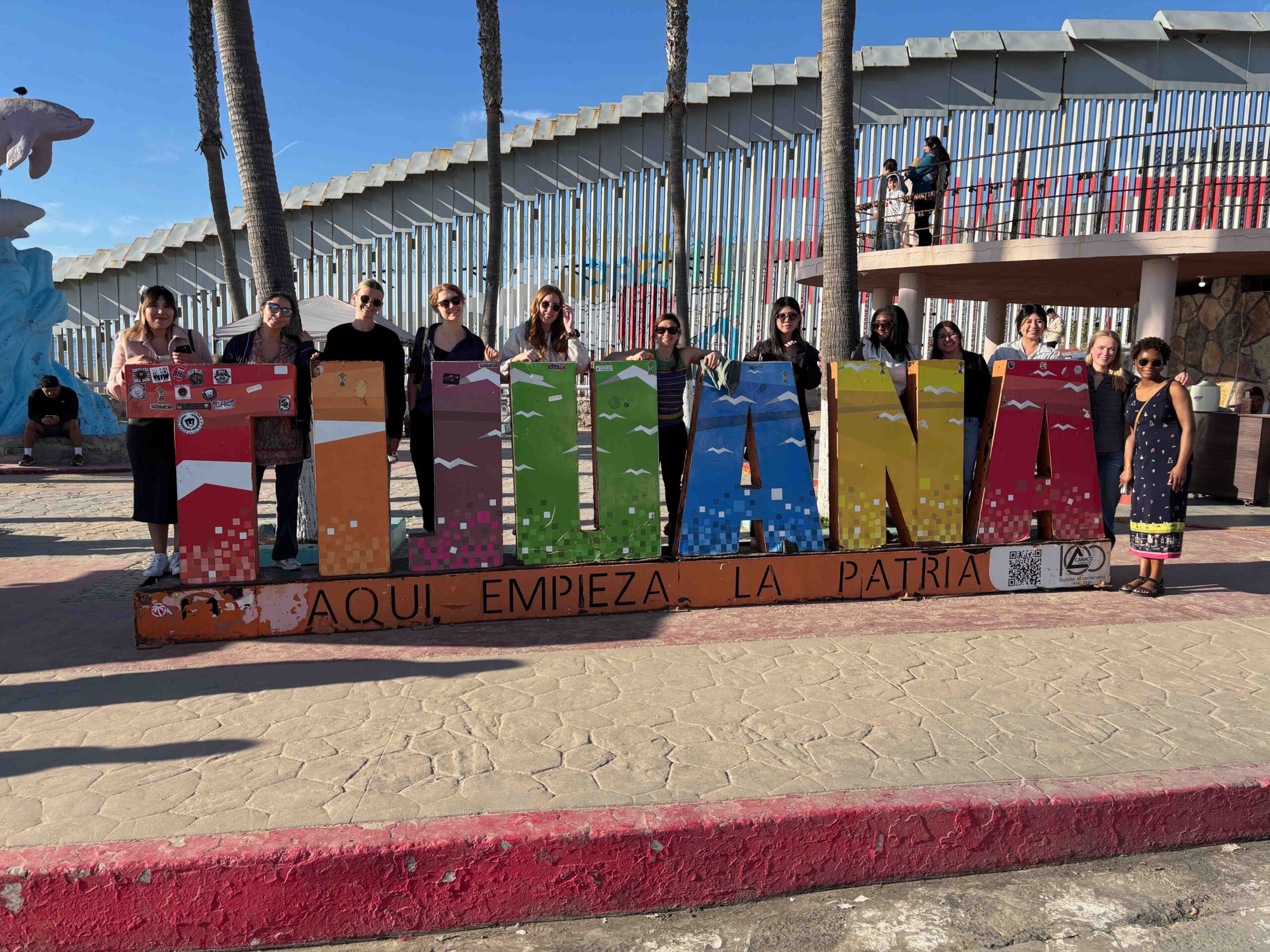
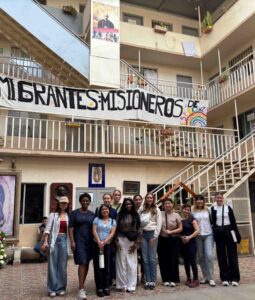
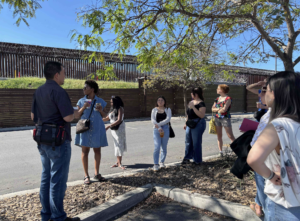
 The course examined how borders and the policies that govern them shape the lives, identities, and educational opportunities of young people, with a focus on global im/migration and forced displacement. Anchored in an experiential learning model, the program centered on a shared border-crossing experience between San Diego, California and Tijuana, Mexico, the busiest land border crossing in the United States. Students engaged directly with the realities of migration through visits to three schools on both sides of the border, site visits to the border wall, and interactions with four migrant shelters in Tijuana, alongside conversations with state and community-based actors.
 The curriculum was grounded in the premise that borders are constructed geographies rooted in colonial logics and shaped by securitization and moral narratives, yet with very real consequences. Students developed a working understanding of immigration policy and legal frameworks across contexts of origin, transit, and resettlement. They critically examined how discourse, through labels, metaphors, and representations, can both dehumanize and rehumanize migrants, while also analyzing how border thinking manifests within educational and community spaces. A key outcome was the ability to identify and propose ways that schools and communities can foster inclusive, supportive environments for migrant and refugee youth, and to apply these insights to specific populations or transborder contexts.
 Although formal evaluations are pending, student reflections and feedback indicate that the course provided a meaningful and impactful learning experience for participants with varying levels of prior knowledge and lived experience. The combination of academic frameworks and immersive fieldwork enabled multiple points of entry for engagement and deepened students’ understanding of migration issues. Students reported leaving the program with a stronger sense of connection to migrant communities and greater awareness of the educators, service providers, and organizations that support them.

