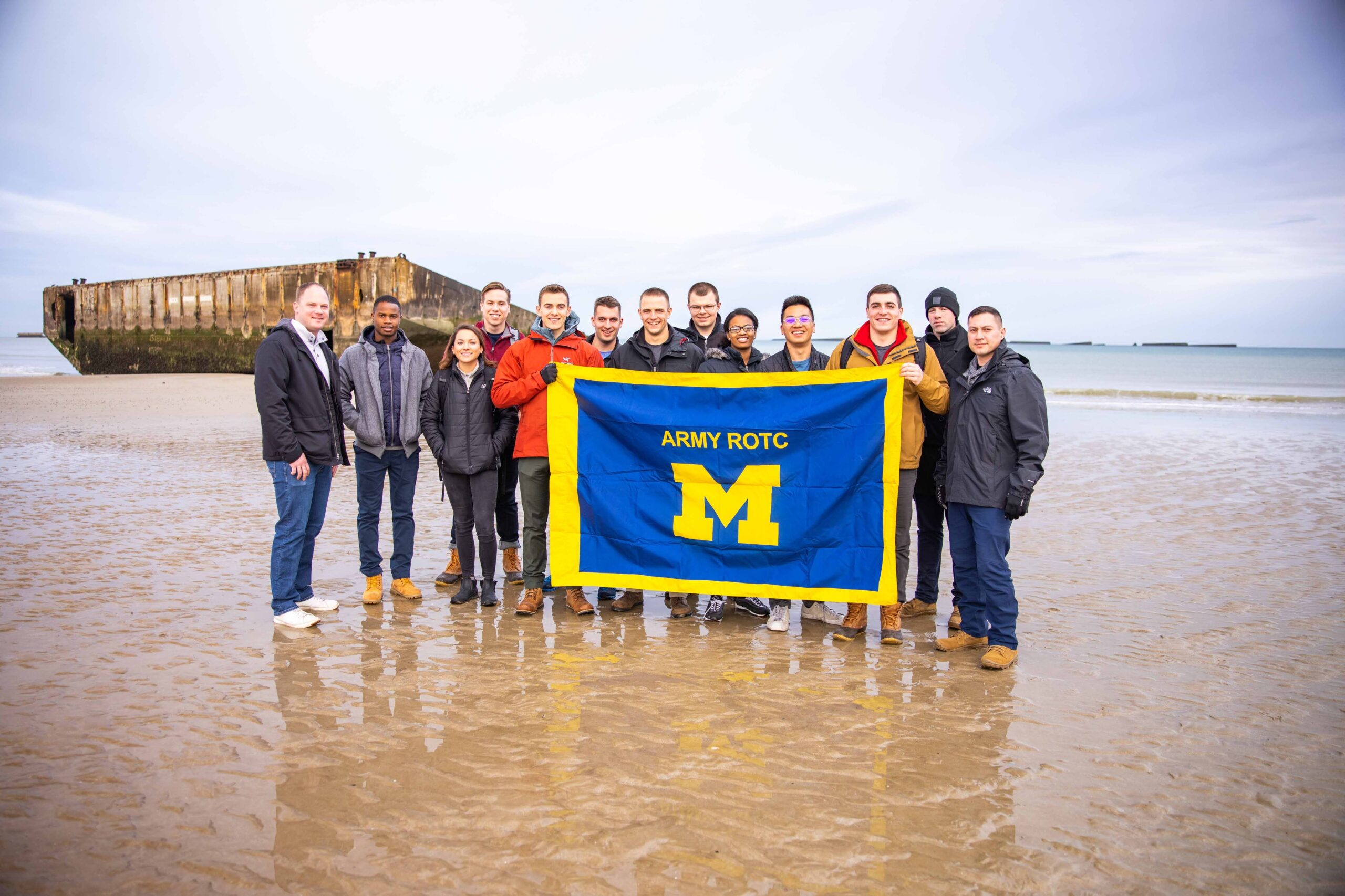
Use this page to explore the considerations, opportunities, and challenges of traveling abroad as a military-connected student.
As you consider and prepare for an international experience, use the following questions as a guide. Keep in mind that this is not an exhaustive list, and you may relate to multiple identities. You are encouraged to discuss these topics with an education abroad advisor in your school or college.
Download the Military-Connected Students Abroad flyer for additional questions and considerations for traveling abroad. Bring this resource with you when meeting with an academic advisor, education abroad advisor, Veteran and Military Services, or other U-M office.
Explore these helpful resources regarding studying abroad as a military-connected individual:
If you plan to use U.S. military-connected benefits, they can help make education abroad possible, but coverage depends on the program type, credit structure, enrollment status, approval requirements, and your individual eligibility. Benefits may not cover all expenses, such as flights, meals, housing, personal expenses, or third-party program charges.
Before committing to a program, confirm how your benefits may apply with School Certifying Officials in the U-M Registrar’s Office at [email protected]. Starting early can help you understand what is covered, what costs you may need to plan for, and what documentation or approvals are required.
Military service and military-connected identities can be viewed differently across countries and cultures. People may be curious, appreciative, neutral, unfamiliar with, or have different perspectives on the U.S. military, another country’s military, or foreign policy. You do not need to represent or explain all military experiences, but it can help to think ahead about what you are comfortable sharing and how you might respond to questions.
Research local laws and cultural norms before you go. For example, some countries restrict camouflage clothing or military-style items to local active-duty personnel. Planning ahead can help you avoid misunderstandings, make thoughtful choices about disclosure, and focus on your academic and personal goals abroad.

