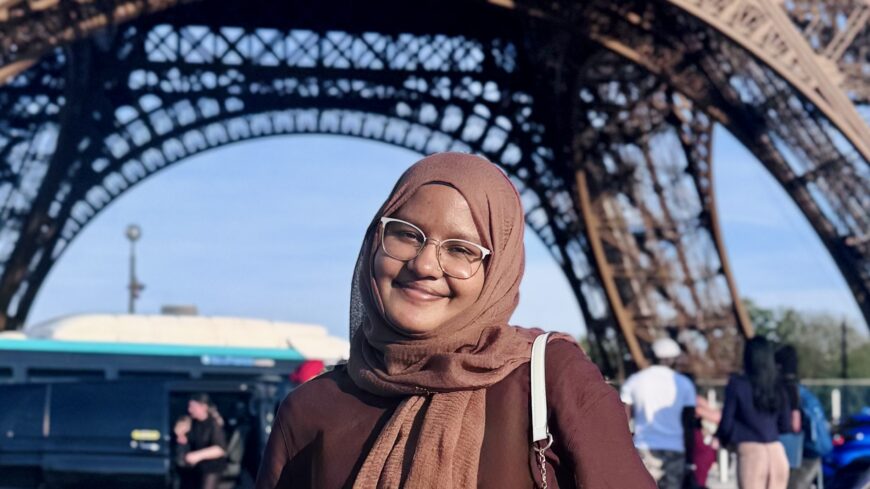
"Before studying abroad, I wondered how being a hijabi would shape my experience. Paris surprised me in a lot of ways. Even while being somewhere completely new, I found small pieces of familiarity through the Muslim community, practicing my faith, and visiting beautiful mosques around the city. It made me realize that no matter where you go, there are opportunities to find community and a sense of belonging."
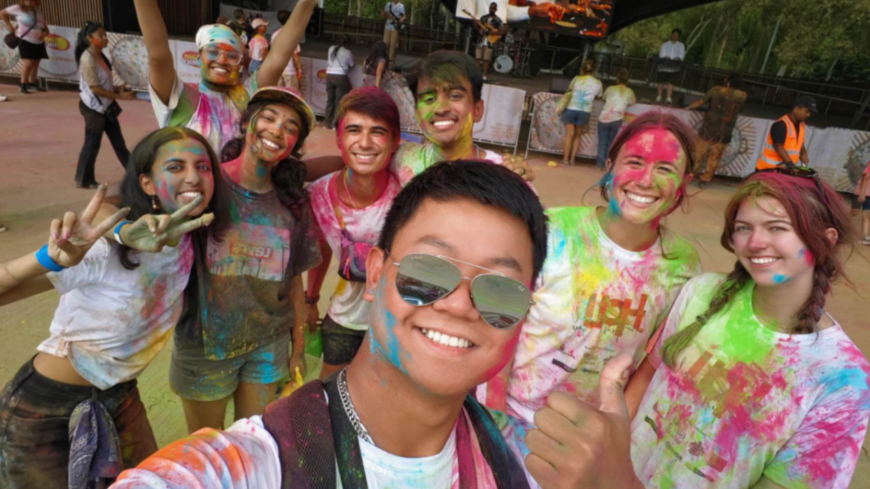
"In the heart of Sydney, I joined friends and strangers alike to celebrate Holi - the festival of colors, joy, and renewal. As we threw vibrant powders into the air, laughter and music erased every boundary of culture and language. In that radiant swirl of color, I felt the true spirit of global education—unity through diversity, and the beauty of shared humanity".
Use this page to explore considerations, opportunities, and challenges related to religion and spirituality abroad.
As you consider and prepare for an international experience, use the following questions as a guide. Keep in mind that this is not an exhaustive list, and you may relate to multiple identities. You are encouraged to research and discuss these topics in person with an education abroad advisor in your school or college as you compare programs and prepare for travel.
Explore these helpful resources regarding religion, spirituality, belief, and travel abroad:
Religious, secular, and spiritual identities can be understood differently across countries, regions, and communities. You may find yourself in the religious majority for the first time, in a minority belief group, or in a place where public religious expression is more visible, more private, or more regulated than what you are used to.
Visible religious identity, such as clothing, symbols, prayer routines, or holiday observance, may be interpreted differently depending on local context. Students who identify as nonreligious, atheist, agnostic, secular, or spiritual but not religious may also encounter assumptions or questions in places where religion plays a larger role in public or community life. Researching local context before you go can help you make informed choices about expression, participation, and support.
Religious, secular, and national holidays can affect daily life abroad, including class schedules, internship hours, public transportation, business hours, restaurants, tourist sites, and personal travel plans. Before you depart, review both your own important observances and major local holidays in your destination.
If your practices or observances may overlap with program activities, talk with your education abroad advisor early about options. Planning ahead can help you identify schedule conflicts, navigate daily needs, and participate as fully as possible in the experience.

